Interior Signs That Clarify Navigation and Reinforce Brand
Interior Business Signage in Minot for Offices and Commercial Spaces Requiring Professional Wayfinding and Brand Expression
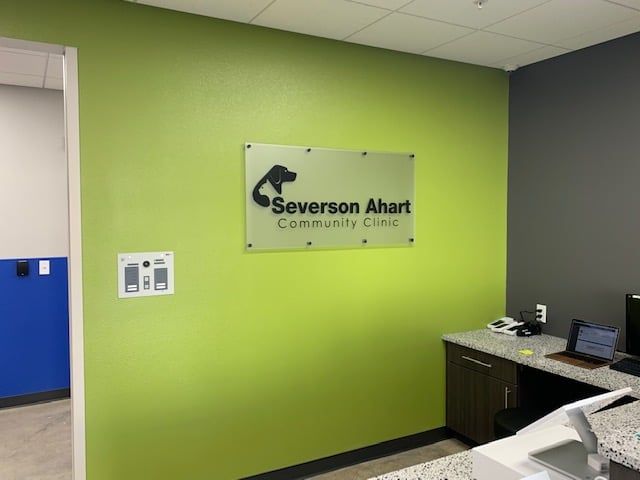
Visitors entering an unfamiliar office building or medical facility waste time searching for the correct suite, conference room, or department when interior signage is missing or poorly positioned, creating frustration that colors their perception of your organization before any interaction occurs. Knockout Design fabricates interior signage systems that include dimensional lobby signs with your business name and logo, wayfinding signs that direct visitors to specific destinations, and branded wall graphics that communicate company values or service offerings throughout your space. These signs use acrylic, brushed metal, vinyl, or dimensional lettering materials selected to match your interior finishes and create a cohesive branded environment from entry through all customer-facing areas.
Interior signage encompasses any identification, directional, or decorative sign installed inside your building, from the dimensional logo behind your reception desk to the door plaques identifying individual offices to the floor graphics directing customers through your retail space. Knockout Design customizes each element to your specific needs, using mounting methods appropriate for your wall surface—standoffs that hold dimensional letters away from the wall to create shadow depth, direct adhesive mounting for vinyl graphics, or hanging systems for signs that need periodic repositioning.
Arrange an interior space evaluation to review mounting surface conditions and discuss the sign types that will improve navigation and brand consistency in your facility.
The Difference Between Generic Signs and Cohesive Systems
Random sign styles and inconsistent materials make interior spaces feel disjointed because each sign element competes for attention rather than working together to guide visitors logically through the space, while a planned signage system uses consistent fonts, colors, and materials that unify the environment and reduce the cognitive load visitors experience when navigating unfamiliar buildings. Knockout Design develops interior sign programs that specify consistent design elements across all sign types, ensuring that wayfinding signs, room identifiers, and branded graphics share visual characteristics that make the entire system feel intentional rather than accumulated over time.
After installation, your space communicates professionalism and organizational competence through the visual consistency and quality of the signage, and visitors navigate more confidently because directional information appears at decision points in formats they can quickly process. Lobby signs with dimensional construction and proper lighting create focal points that establish brand identity immediately upon entry, which is particularly important for professional services firms where clients make rapid assessments about competence and attention to detail based on environmental cues.
Material selection affects both appearance and longevity—brushed aluminum letters maintain their finish indefinitely in climate-controlled interiors, acrylic panels can be digitally printed with complex graphics and color gradients, and cut vinyl applied directly to walls offers the most economical option for large-scale graphics or frequently updated information. Dimensional letters mounted on standoffs create depth and shadow lines that make lobby signs visible from oblique viewing angles, unlike flat-mounted graphics that disappear when viewed from the side as visitors approach reception areas.
Questions Before Starting Your Interior Signage Project
Businesses in Minot typically ask about material choices, installation impact on operations, and how to create effective wayfinding in complex floor plans.
What determines whether dimensional letters or flat panels work better for lobby signs?
Dimensional letters create visual interest through depth and shadow but require solid backing walls capable of supporting standoff hardware, while flat panels mount to any surface and accommodate complex logos with color gradients that dimensional fabrication can't replicate economically.
How do you mount interior signs without damaging wall surfaces?
Mounting methods vary by wall construction—drywall installations use anchors rated for the sign weight, concrete or brick walls require masonry anchors, and glass surfaces use structural adhesives or through-bolted standoffs that distribute load across the glass area to prevent stress fractures.
Why do some office buildings use pictograms instead of text for wayfinding signs?
Pictogram-based wayfinding systems communicate across language barriers, process faster than text-based signs, and comply with ADA requirements that specify pictogram use for permanent room identification signs alongside Braille and raised character text.
When should directional signs be placed in a commercial interior?
Decision points where visitors must choose between paths require directional signs positioned early enough that people can process the information and adjust their route without backtracking—typically ten to fifteen feet before the actual turn or doorway.
What maintenance do interior signs require over time?
Vinyl graphics and dimensional letters need no maintenance beyond occasional cleaning, while signs in high-touch areas like door plaques or push plates may need refinishing after several years of contact wear, and any signs near exterior doors should be checked for adhesive failure caused by temperature fluctuations from repeated door openings during winter.
Knockout Design handles measurement, fabrication, and installation with scheduling that minimizes disruption to your daily operations. Contact the team to discuss interior signage solutions tailored to your facility layout and branding requirements.